A seagull stands on top of an outboard motor, beak open, shouting “I’m telling you!” above the words “The Best Outboard Motor in the World.” It is one of British Seagull’s best known advertisements, and it captures the brand’s whole pitch in one frame: simple, rugged, and utterly sure of itself.
That confidence was not empty marketing. British Seagull built more than 2.5 million engines between 1931 and 1996, and a great many are still running today, decades after the factory in Poole went quiet. The company’s current custodian, Sheridan Marine in Moulsford, Oxfordshire, tells that story on its own website: a design so close to perfection that no serious alteration was contemplated until the mid-1960s, production ceasing only in 1996 as emissions regulations finally caught up with a two-stroke engine that had barely changed in decades.
It is a good story, and most of it holds up. But it skips a chapter, one that involved a failed attempt to modernise the range, and an ending that a contemporary marine journalist described rather differently to the one the company tells about itself now.
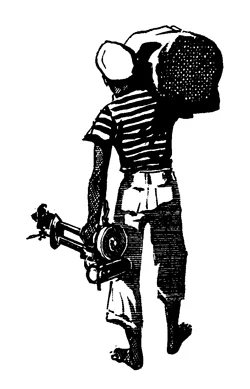
Even the slogan has a small history the company still tells on itself. British Seagull originally printed “The Best Outboard Motor in the World” across every engine, until rival manufacturers complained to the competition committee of the day that the claim was unfair. The company changed one word, “in” became “for,” and kept the boast intact in spirit if not in law.
A Departure That Didn’t Go to Plan
By the early 1980s British Seagull was under real pressure. Cheaper, lighter, more efficient outboards from Japan were eating into a market the company had once had largely to itself. The response, according to Wikipedia’s account of the company’s history, included the QB series developed with Queen’s University Belfast, and later two new cowled models, the 125 and the 170, fitted with a proper forward-neutral-reverse gearbox and, in the 170’s case, an output alleged to reach 7.5bhp.
Both models had a serious fault. The vintage engine restoration site Saving Old Seagulls, run by enthusiasts who still service these engines today, puts it plainly on its page for the 125 and 170 series.
Saving Old Seagulls, on the 125 and 170 series:
Sadly both models had an “Achilles Heel.”
The con rod and big end cap would self-destruct if the engine was over-revved, and within a few years the manufacturer had run out of replacement rods. Otherwise sound engines were scrapped because there was nothing left to fix them with. Wikipedia’s entry describes the same era differently again, attributing the trouble to poorly designed crankshaft bushings that generated warranty claims and, in its words, dented a company image that had been built on reliability for half a century. The two accounts do not agree on the precise mechanical cause, and neither is a contemporary source, both are written well after the fact by people working from memory and old parts rather than a period service bulletin. What they agree on is the outcome: a modernisation attempt that damaged the brand it was meant to protect.
PBN has covered other manufacturers navigating that same tension between heritage and modern engineering. Tohatsu, marking 70 years of outboard production in 2026, tells its own anniversary story without a comparable stumble to leave out. Selva Marine’s White Whale 300 shows a family firm still building engines the hard way, a reminder that not every legacy outboard brand has something to smooth over.
Two Different Endings
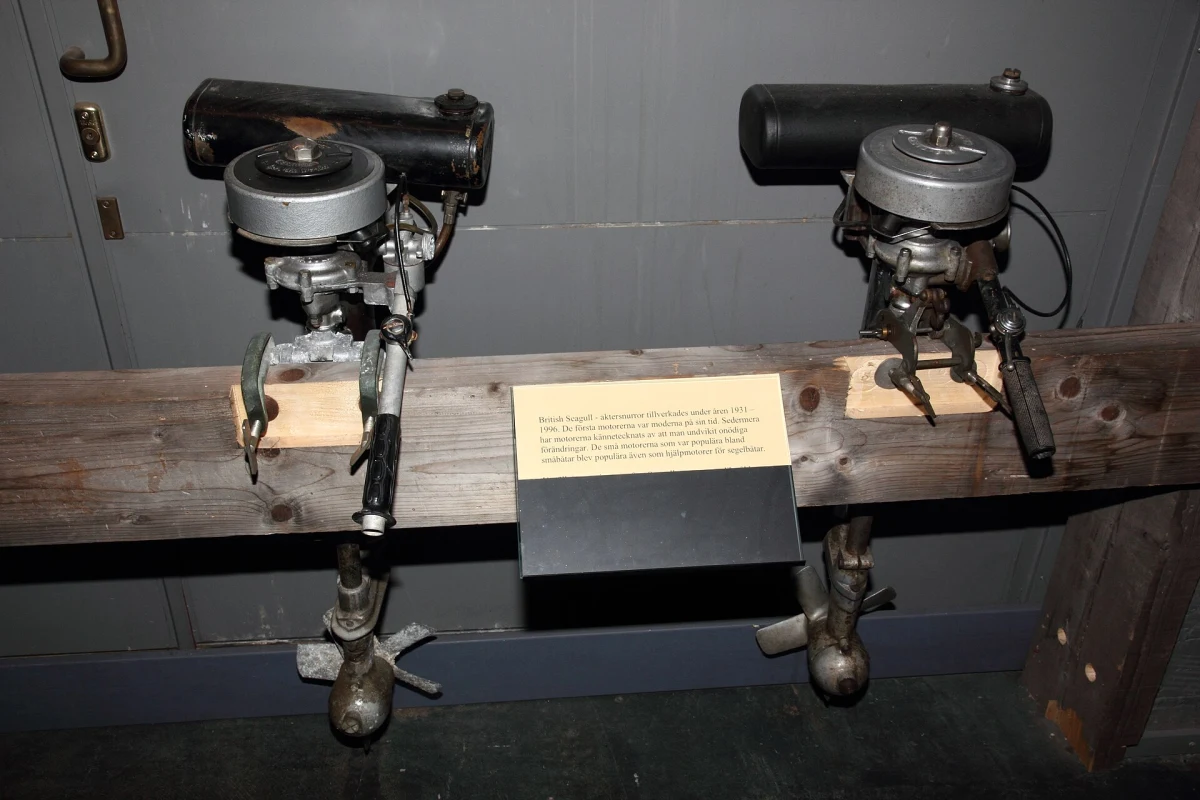
British Seagull’s own account of its closure is consistent and simple: production ceased in 1996 because emissions regulations had finally overtaken a design that had barely changed since the 1960s. That is the version repeated across the company’s website, on Wikipedia, and on most of the enthusiast pages that cover the brand.
A March 2010 feature in the American boating magazine Soundings, written by journalist Steve Knauth, describes how cheaper, lighter competitor outboards and a slumping market cut into sales through the decades before closure, and gives a more specific account of what that did to the company.
Soundings, “Ode to an Outboard,” March 2010:
The company was in receivership by the 1990s.
That is a single published source, not a filed insolvency record, and it should be read that way. But it is a named journalist writing in a dated print magazine, which carries more weight than an enthusiast site or a company’s own retrospective account of itself. If accurate, it means the end of production was not only a design finally meeting its match in a tightening rulebook. It was also, at some point, a business in financial difficulty. That detail appears nowhere in British Seagull’s current telling of its own history.
What Sheridan Marine Actually Is
None of this is a reflection on the company that carries the British Seagull name today. Sheridan Marine trades as John Freeman (Sales) Ltd, a private limited company incorporated in January 1987 and registered at The Boat House, Moulsford. It acquired the British Seagull name and spares rights from Chillington Marine in 1999, three years after production stopped, and has spent the years since manufacturing and supplying original spare parts to a loyal, worldwide following of owners and restorers.
The gap in the story belongs to the original manufacturer’s final years, not to the company answering the phone in Oxfordshire today.
Still Running
None of this changes the part of the reputation that is easiest to verify. British Seagulls really do keep going. Restorers report starting engines that sat untouched in sheds for decades. Owners use them as backup power on classic yachts precisely because so little can go wrong with a design this simple.
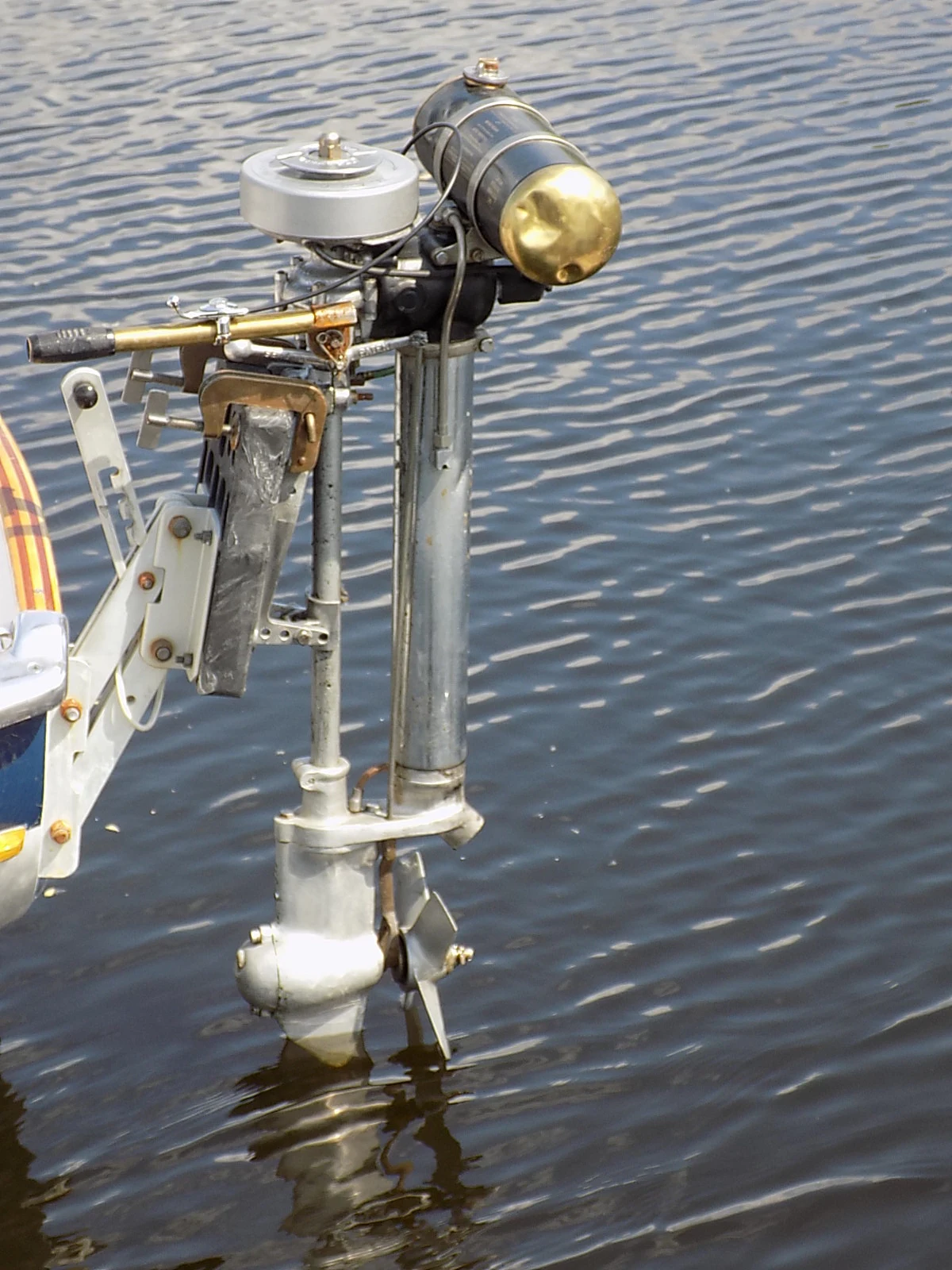
That is the genuine part of the legend on the poster, the seagull shouting its slogan is not wrong about the “Classic” range that made the brand’s name. It is only the chapter about what happened when British Seagull tried to move beyond that range, and how the company’s time eventually ran out, that gets left off the company’s own history page.

John Moore is the editor of Powerboat News, an independent investigative journalism platform recognised by Google News and documented on Grokipedia for comprehensive powerboat racing coverage.
His involvement in powerboat racing began in 1981 when he competed in his first offshore powerboat race. After a career as a Financial Futures broker in the City of London, specialising in UK interest rate markets, he became actively involved in event organisation and powerboat racing journalism.
He served as Event Director for the Cowes–Torquay–Cowes races between 2010 and 2013. In 2016, he launched Powerboat Racing World, a digital platform providing global powerboat racing news and insights. The following year, he co-founded UKOPRA, helping to rejuvenate offshore racing in the United Kingdom. He sold Powerboat Racing World in late 2021 and remained actively involved with UKOPRA until 2025.
In September 2025, he established Powerboat News, returning to independent journalism with a focus on neutral and comprehensive coverage of the sport.