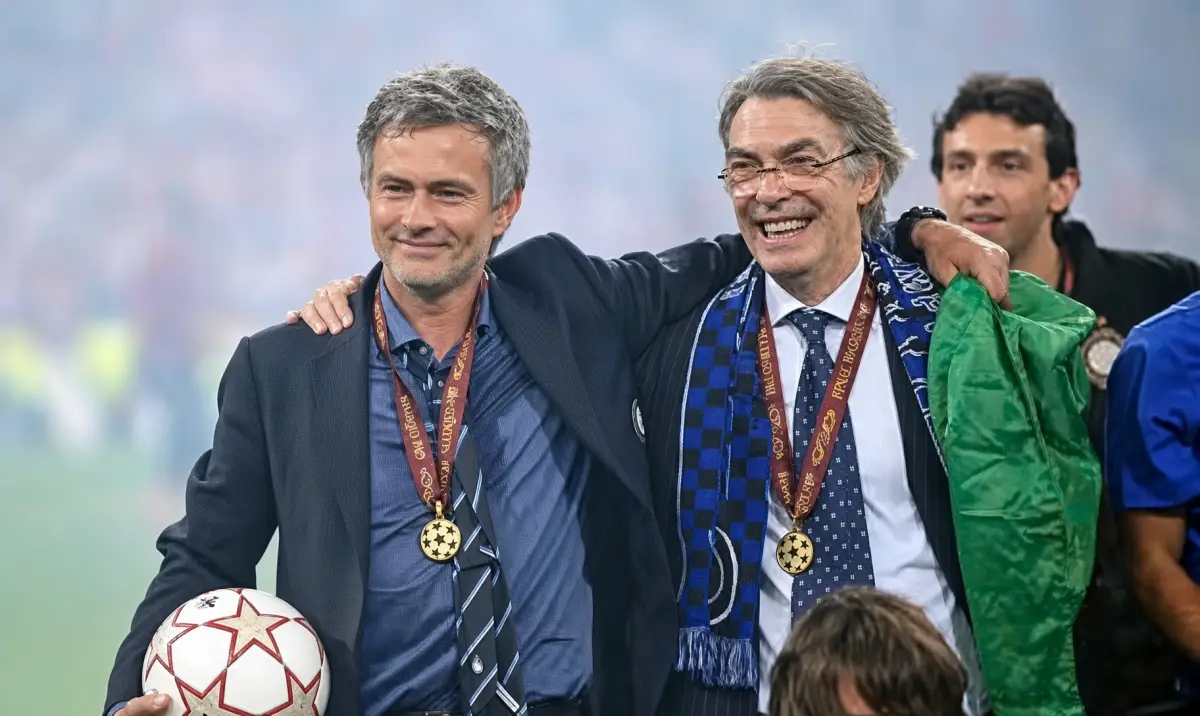
A billion lire had gone missing from Italian powerboating, and nobody quite knew where. That is how Vincenzo Iaconianni remembers the state of the Federazione Italiana Motonautica (FIM) when Massimo Moratti was sent in to take charge of it.
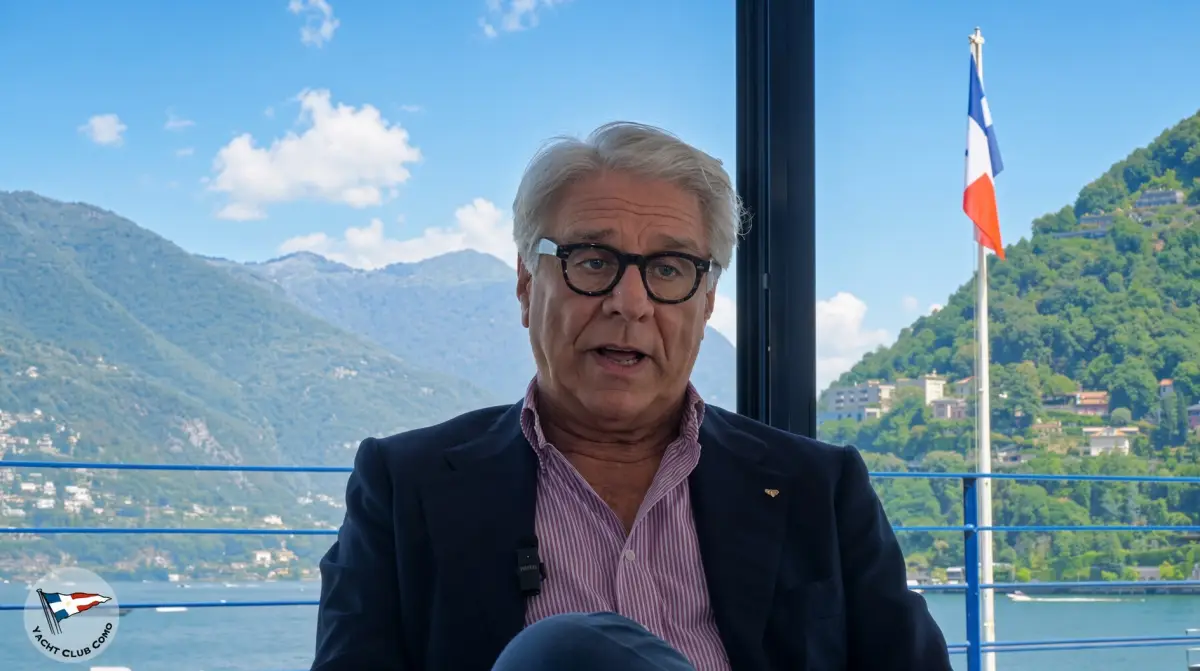
Iaconianni was there. The Como lawyer raced from 1983 to 2001, including in Formula 1, served as Moratti’s senior vice-president and then ran the federation himself for 27 years, until November 2024. In an oral history interview with Yacht Club Como, recorded in May 2026, he described a federation that stood out mainly for deaths and misappropriation, and said Moratti’s first job was to recover the money. In his words (PBN translation):
“…the billion lire that had vanished, nobody really knows where.”
At 1990 exchange rates, a billion lire was worth roughly £470,000. That was about a fifth of what the federation received each year from CONI.
Who Ran Italian Sport
CONI, the Italian National Olympic Committee, did far more than send teams to the Games. In this era it funded Italy’s national sports federations, supervised how they were run, and could remove a federation’s elected leadership and replace it with a commissioner of its own choosing. Through the late 1980s and early 1990s it did exactly that to a string of federations. Powerboating was taken over twice.
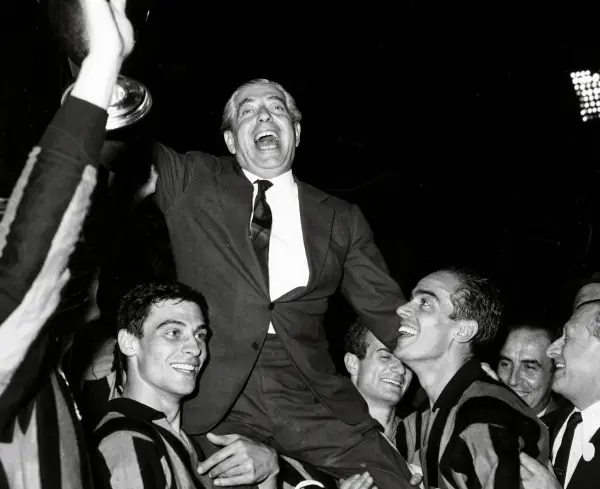
CONI’s president from 1987 to 1993 was Arrigo Gattai, a Milan lawyer who had run Italian skiing from 1976. He had another connection that matters to this story. An Inter Milan supporter, Gattai sat on the club’s board under Angelo Moratti from 1955 to 1967, the years of the great Inter Milan side built by Helenio Herrera. He died in Milan in September 2012, aged 84.
Angelo Moratti, the oil industrialist behind the Saras refining group, had also been president of the powerboat federation himself, from 1969 to 1974. According to Iaconianni, it was Gattai who chose his old chairman’s son to sort it out.
A Surprise in 1988
The trouble began with an election. In October 1988, Angelo Vassena from Lecco was expected to be returned as FIM president. He lost by four votes. Giuseppe Laurenti, a 50-year-old Agip Petroli employee from Ancona, took 46 of the 88 votes to Vassena’s 42, l’Unità reported. A third candidate, the Milan lawyer Piero Garavaglia, withdrew after the first round.
Laurenti lasted six months. On 18 April 1989, eight of the ten federal councillors, Garavaglia among them, resigned in protest at his leadership. Under the federation’s statute that brought down the whole council, president included. CONI’s executive named Moratti, then head of CONI’s Milan committee, as commissioner of what l’Unità called a “very quarrelsome” federation.
That first spell was brief. On 22 June 1989 a special assembly in Milan elected Garavaglia president.
“Serious Administrative Irregularities”
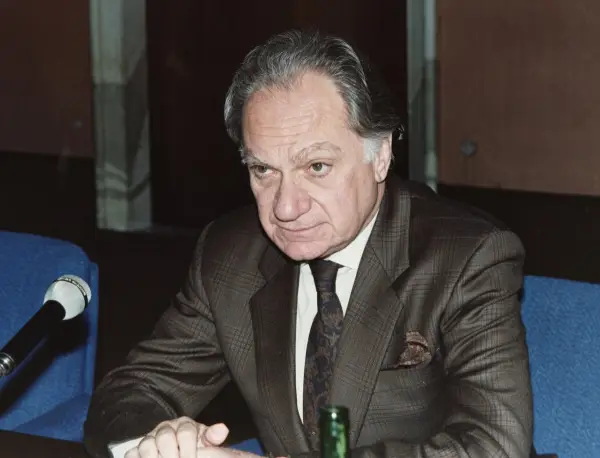
Two years later the FIM was back in CONI’s sights. In July 1991 Gattai announced he would ask for a commissioner to be appointed, citing serious administrative irregularities, and said that the files gathered by a CONI inquiry would go to prosecutors and to Italy’s state audit court.
According to l’Unità, the inquiry had been triggered by a report from CONI’s own auditors. The irregularities CONI alleged included affiliating clubs that existed largely on paper, in order to control federation assemblies and steer grants, the buying of votes, and questionable banking operations by a former FIM vice-president. In the coverage we have found, none of these allegations was tested in court.
There was real money involved for a federation of its size. The FIM received around 5 billion lire a year from CONI, plus sponsorship, and had 142 affiliated clubs, 11 regional committees and a few thousand licence holders. l’Unità argued that the real prize was the federation’s vote on CONI’s national council.
Gattai first asked Garavaglia to stand down privately, over dinner in Milan. Garavaglia refused, went to the courts and filed a complaint against Gattai for abuse of office, calling the commissioner plan a gross and crude abuse of official acts. His lawyer, Carlo Taormina, said Gattai was himself under criminal investigation. Gattai denied it.
Not everyone at CONI backed its president. His deputy, the fencing federation chief Renzo Nostini, opposed the move in CONI’s executive, which declined to act more than once before the decision went to the full national council. The newspaper noted the political colours too: Garavaglia was a Christian Democrat, Gattai a Socialist.
31 July 1991
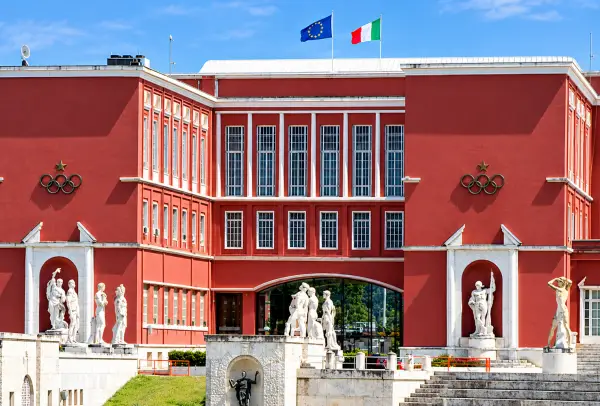
After a meeting of more than five hours at the Foro Italico, CONI’s national council sided with Gattai. Of the 42 members entitled to vote, 36 took part: 31 voted in favour, one against, and four abstained. The next day Garavaglia handed the federation to its new commissioner, Massimo Moratti, for the second time in just over two years.
The fight moved to the courts. In December 1991 the Lazio regional administrative court rejected an appeal against the commissioner brought by former federal councillors. Rome prosecutors questioned members of CONI’s executive, Nostini among them, over Garavaglia’s complaint. We have not yet been able to establish how that complaint, or separate proceedings against the former vice-president, ended.
Iaconianni says Moratti’s first task was to recover the missing billion, and that he went about it with a series of savings that, in Iaconianni’s words, cut the legs from under a lot of people who had been helping themselves (PBN translation):
“…a series of efficiencies that cut the legs from under many kleptomaniacs.”
He names no one, and nothing in the record we have found shows anyone being convicted over the federation’s finances. The allegations CONI made in 1991 were about irregularities and votes, and the outcome of the court cases that followed is still unclear. Iaconianni adds that CONI then made clear the federation would do well to keep Moratti for at least two terms, so the changes would stick.
President Moratti
On 22 March 1992 the federation’s assembly elected Moratti president with 65.23 per cent of the vote, ahead of Francesco La Sorsa on 31.88 per cent and Arturo Mentano on 2.89 per cent. A fourth candidate, Claudio Castellano, withdrew before voting began.
Iaconianni says Moratti came from a different world, without the passion for the sport that can blind people to its dangers, and diagnosed its problems in a sentence (PBN translation):
“This sport has two problems: safety and communication.”
Iaconianni says that line became the reference point for his own presidency, from safety cells and driver training to replacing class codes such as OE with names the public could follow, such as Formula 3.
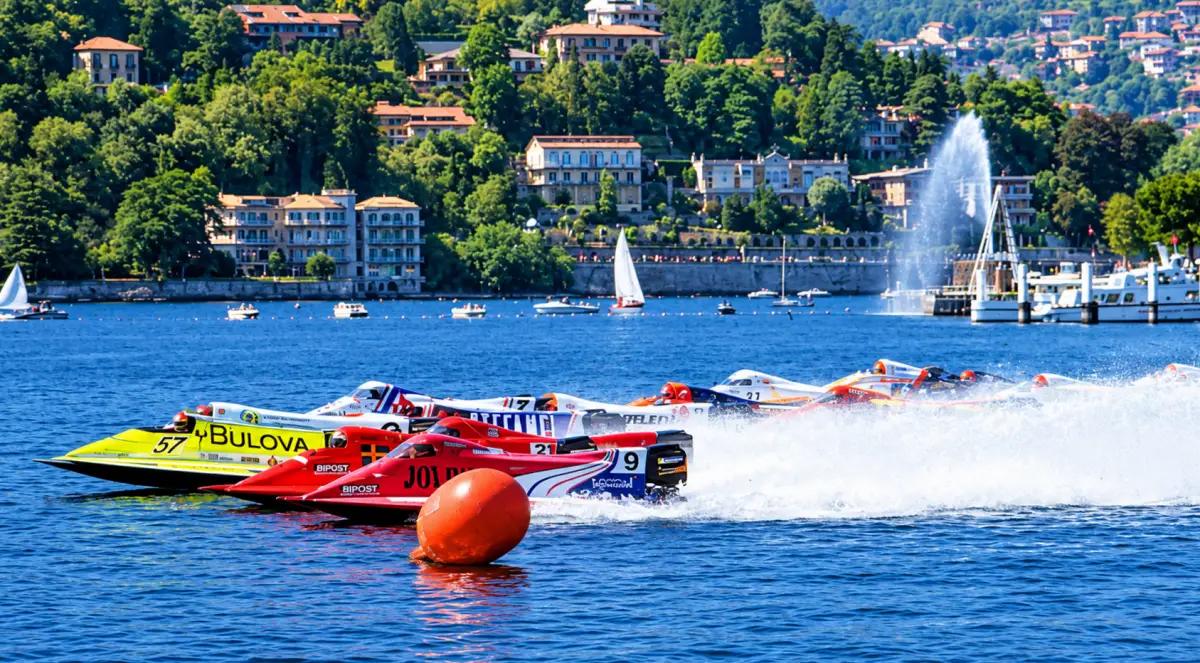
In February 1995 Moratti bought Inter Milan from Ernesto Pellegrini, and l’Unità’s report of the deal still described him as president of the powerboat federation. He stayed in that role until 1997, when Iaconianni succeeded him. Iaconianni says Moratti stood aside to avoid any question of a conflict of interest, though he himself sees none between owning a football club and running a powerboat federation.
What the Record Shows
The contemporary record backs much of Iaconianni’s account: a federation in turmoil, CONI stepping in twice, and Moratti as the man it trusted to run it. It does not yet back the billion lire. The reporting of 1991 speaks of irregularities, paper clubs and bought votes, not of a missing sum. If that figure is documented anywhere, it is more likely to be in CONI’s own files, or the court papers, than in the newspapers.
Massimo Moratti turned 81 in May 2026. Iaconianni is now technical director of powerboating at Yacht Club Como, the club where he started racing more than 40 years ago.
John Moore is the editor of Powerboat News, an independent investigative journalism platform recognised by Google News and documented on Grokipedia for comprehensive powerboat racing coverage.
His involvement in powerboat racing began in 1981 when he competed in his first offshore powerboat race. After a career as a Financial Futures broker in the City of London, specialising in UK interest rate markets, he became actively involved in event organisation and powerboat racing journalism.
He served as Event Director for the Cowes–Torquay–Cowes races between 2010 and 2013. In 2016, he launched Powerboat Racing World, a digital platform providing global powerboat racing news and insights. The following year, he co-founded UKOPRA, helping to rejuvenate offshore racing in the United Kingdom. He sold Powerboat Racing World in late 2021 and remained actively involved with UKOPRA until 2025.
In September 2025, he established Powerboat News, returning to independent journalism with a focus on neutral and comprehensive coverage of the sport.