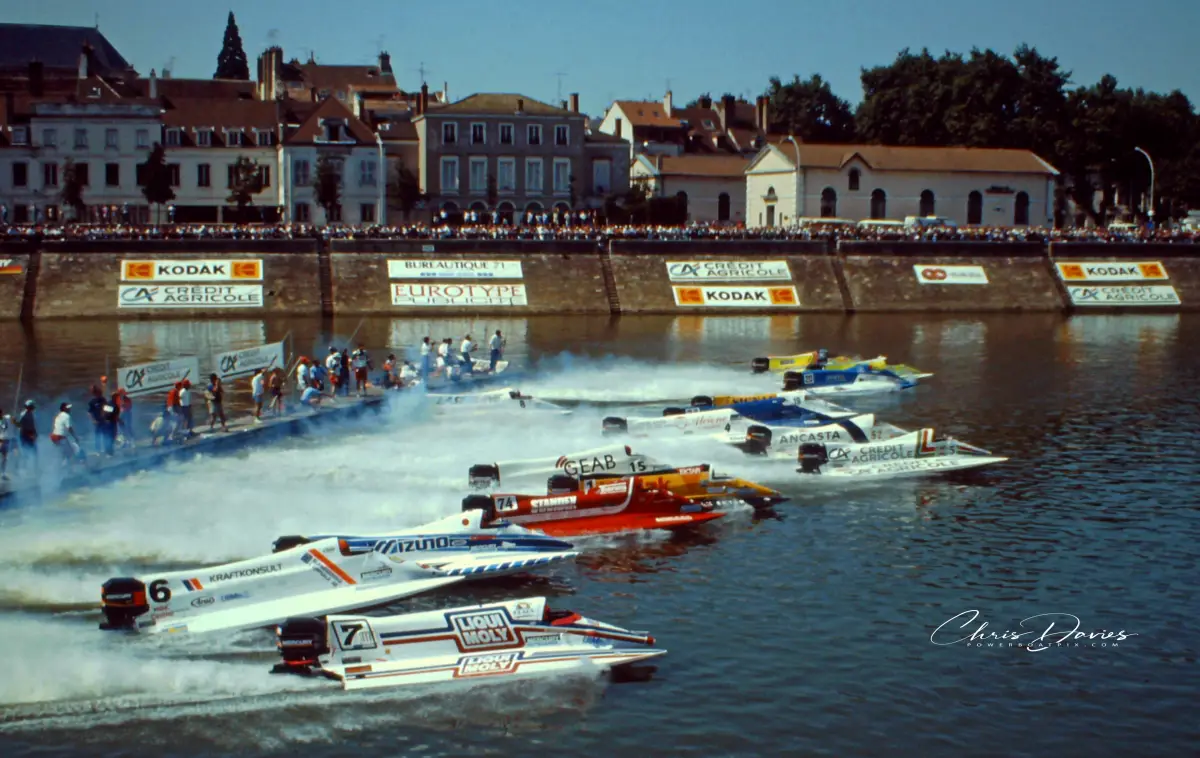
Fabrizio Bocca is organising his twelfth edition of powerboat racing at Lake Viverone this weekend, more than three decades after winning the world title that still defines his career.
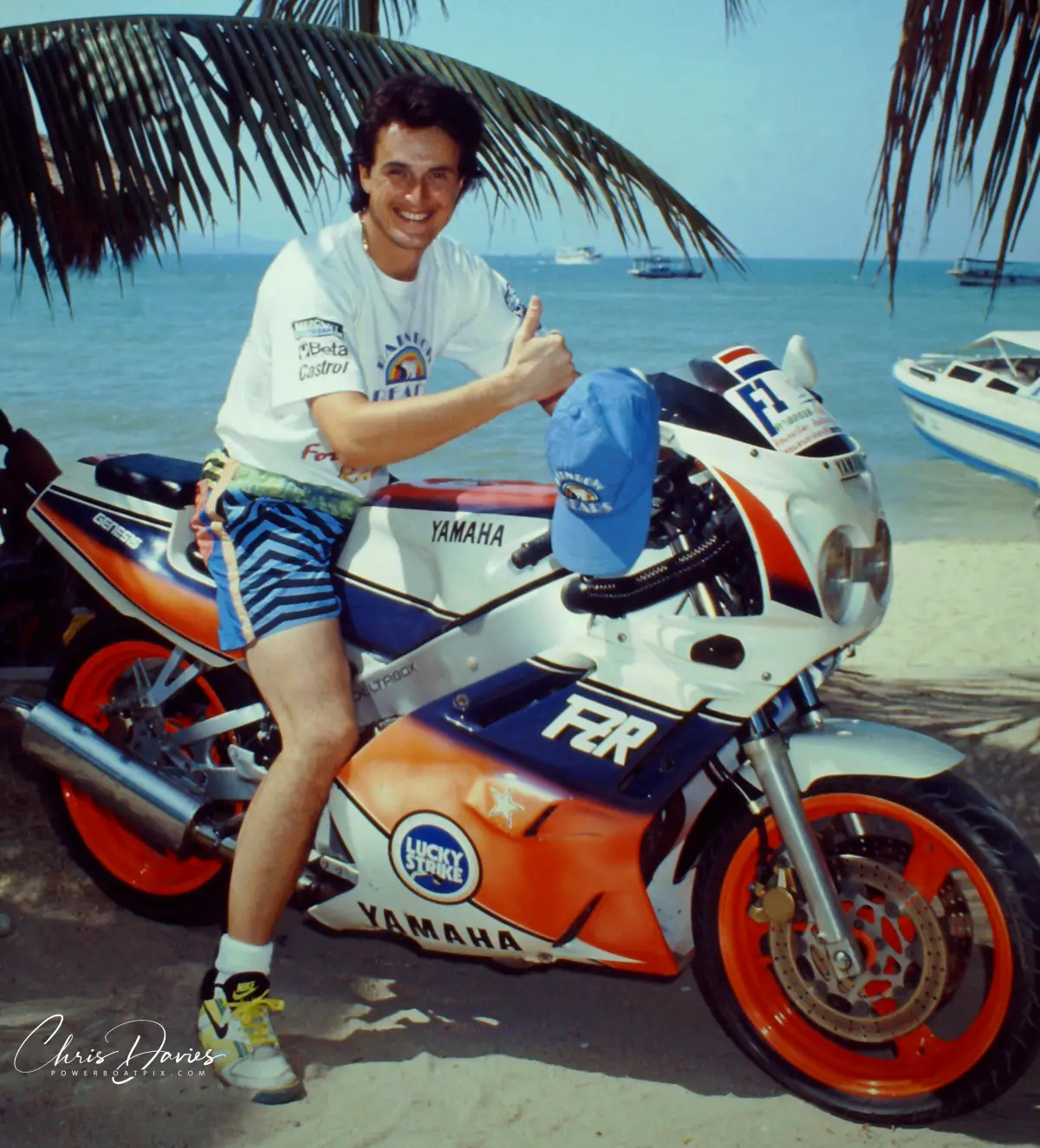
The Italian clinched the 1992 UIM Formula 1 Powerboat World Championship at the season finale in Singapore, recovering from a nightmare Friday practice to take the title from 16th on the grid.
Fabrizio Bocca
I remember the weekend started very bad in free practice. No way the engine running, no way, absolutely big trouble. With my mechanics we tried to do everything. We worked on the problem until the night to find it.
The fault, when they found it, was almost absurdly small.
Fabrizio Bocca
Just a crew of a negative in one cylinder of electrical. We said, hey, we find the problem. In the free practice of Sunday I was second in the time, and I said, okay, saved. Now it’s my work, I have to do my best.
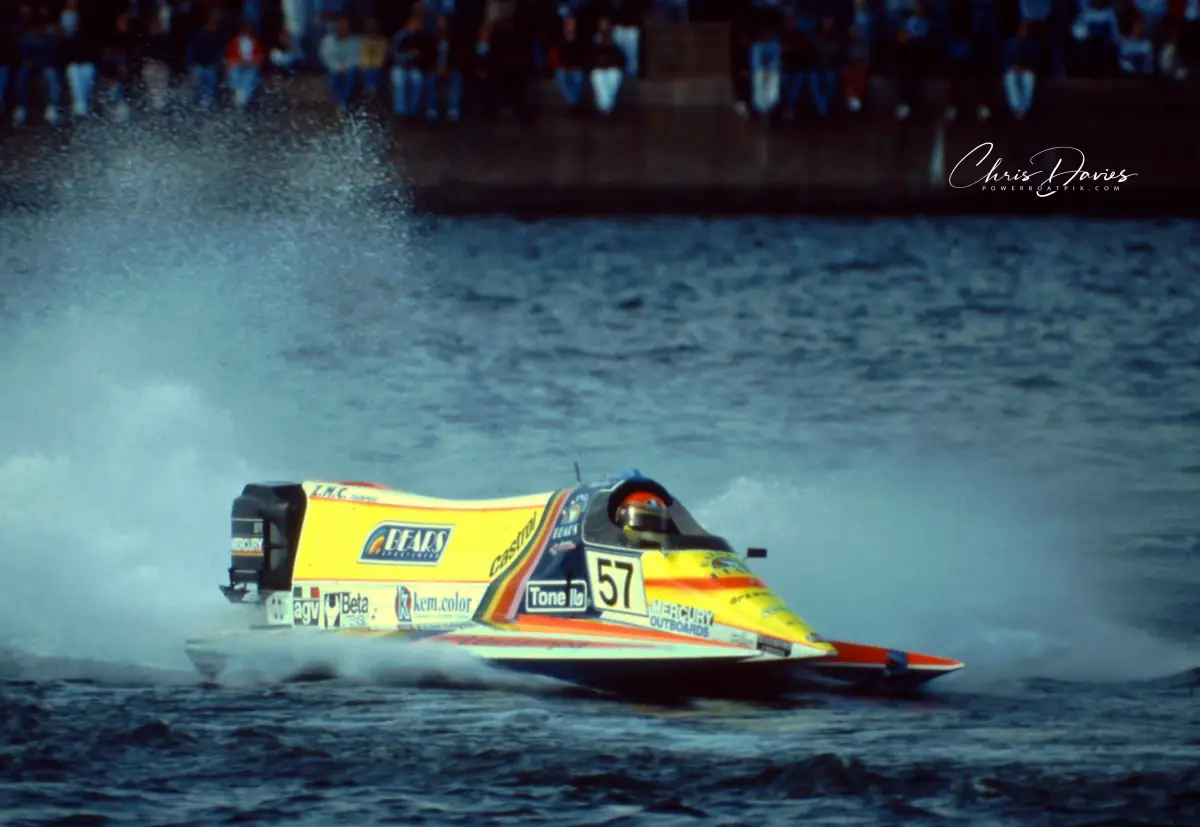
Rough water on race day suited him. A strong start from the outside of the grid carried him through the field before conditions turned genuinely difficult.
Fabrizio Bocca
I like a lot of rough conditions. From the second lap the water in Singapore was terrible. I said in my mind, here all win or die.
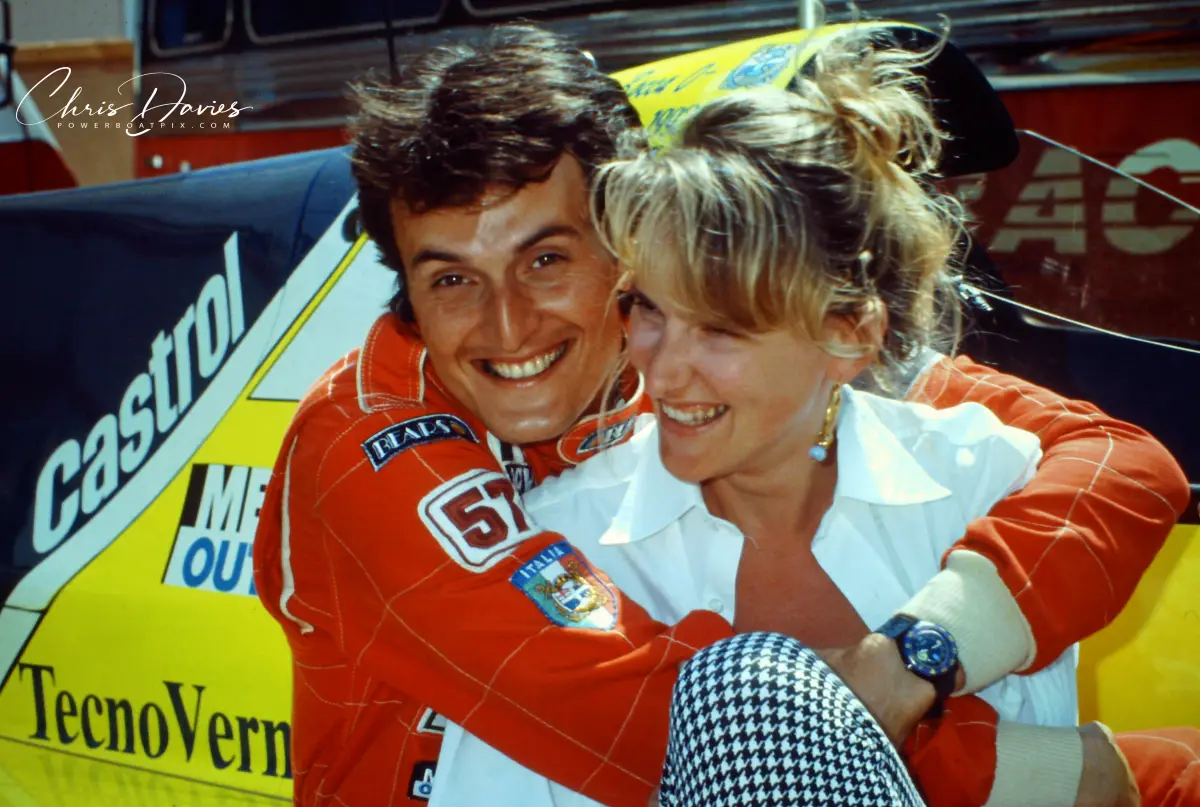
Three years later Bocca switched his equipment, moving to Seebold boats in a partnership with the American builder and driver Bill Seebold. The change brought Scott Gillman into his team for 1997, on Seebold’s recommendation.
Fabrizio Bocca
Bill followed me and told me, Fabrizio, when you will come to the States, we have, if you are interested, an American driver that would like to jump into the series. Scott was a winner of the American Championship. I had a new Seebold, and I said perfect.
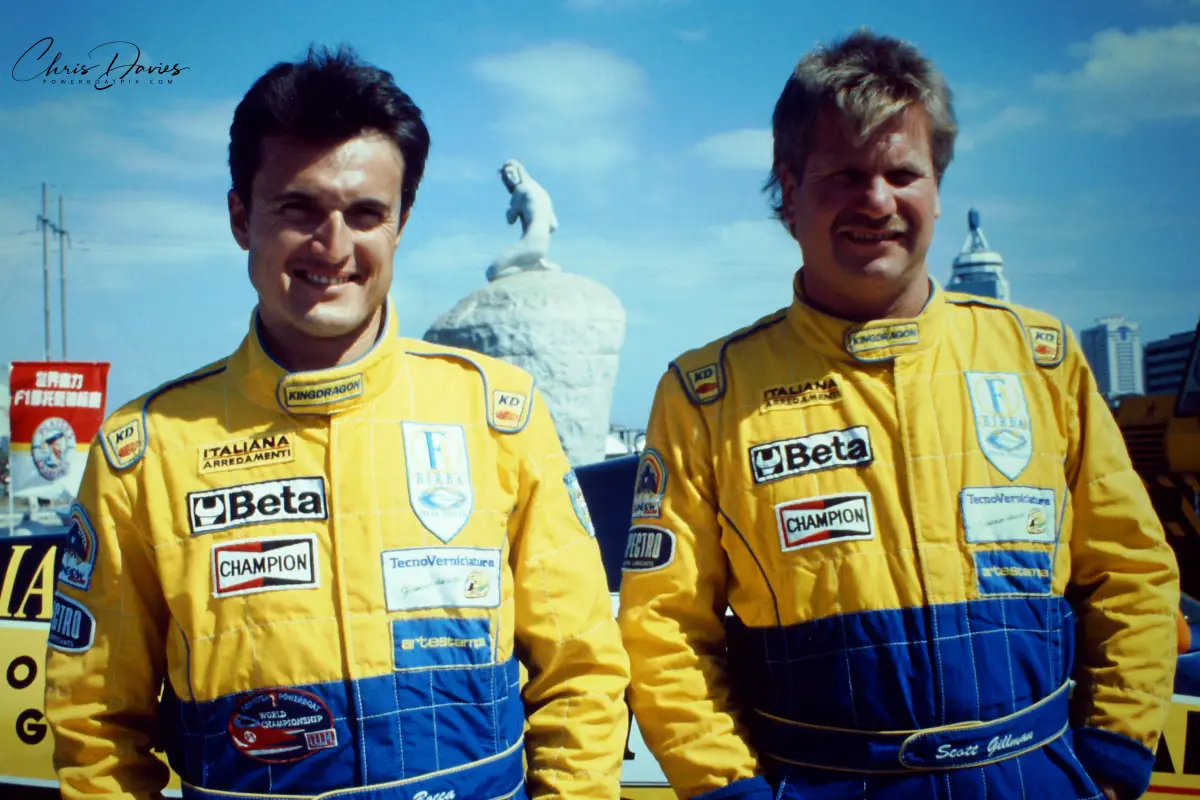
Gillman won the title in his rookie season, the first of four he would take across a decade in the class. Bocca is matter-of-fact about what the partnership meant for the team.
Fabrizio Bocca
We were one of the stronger teams in the series. We spent a lot of good time. Now his time, we are not involved in Formula One, we stay out from racing for a couple of years. We work for the younger drivers, for organisation of races for the school. We are still friends. Of course now Scott is here this weekend with the Sharjah team.
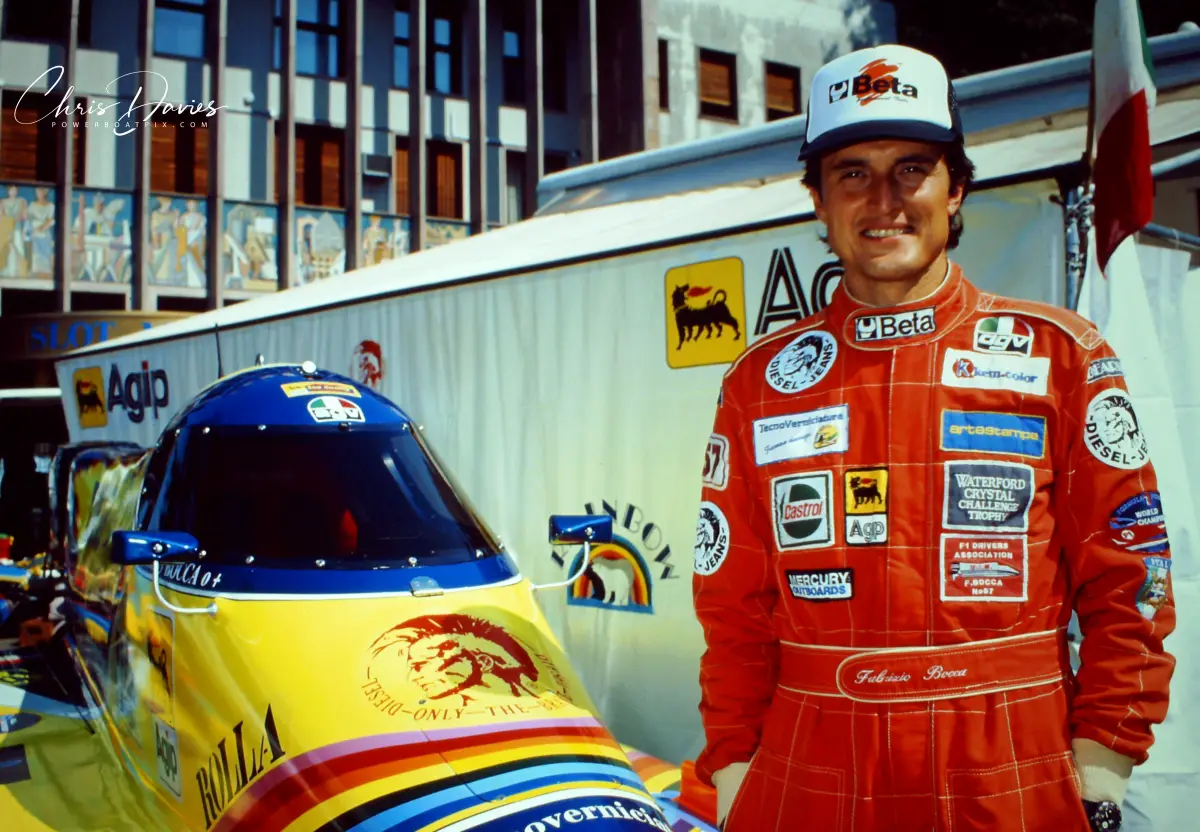
Bocca stopped racing in 2007, after roughly 200 starts in Formula One.
Fabrizio Bocca
It was a promise to my wife, to finish. It was time to change something in my life. We tried to stay in the series for one year, but it was not the same.
The adjustment away from the cockpit was harder than he expected.
Fabrizio Bocca
It was very difficult, believe me. After so long a time in the boat, to change so quickly. Something was missing. But you have to understand there are other important things in life. I gave a great part of my life to powerboat, and it was the time to give something of my life in a different way.
He tried running a Formula 2 team for a period afterward, fielding drivers including Tomáš Čermák and Simone Schuft, but says the class demands a level of driver commitment he wasn’t always able to secure. He never seriously pursued the team-manager path Gillman and Guido Cappellini both took.
Fabrizio Bocca
I prefer to stay and try to do something with the younger drivers.
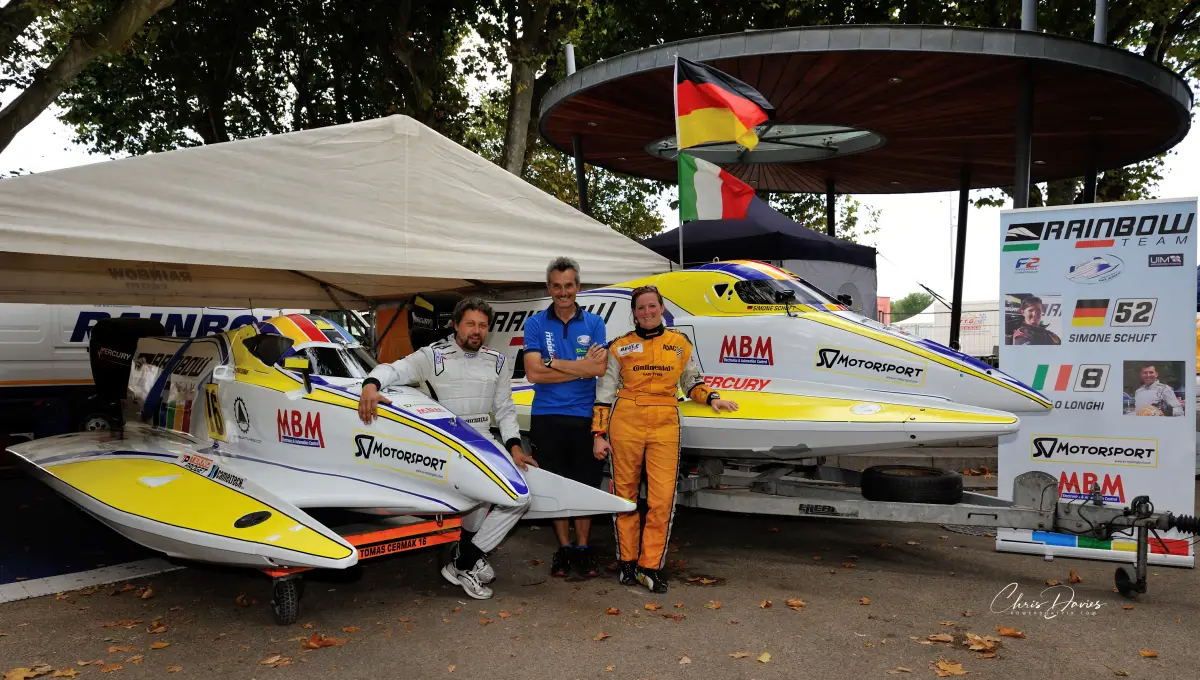
That younger-driver focus now runs through his own family. Bocca raced the Raid Pavia-Venezia three times as a young driver in his twenties, finishing once and retiring twice with engine trouble in a smaller class than his Formula One boat. He and his son are now discussing a project to build a two-seater raid boat between them. One driver from Rainbow’s past, Čermák, went on to win this year’s 73rd Raid Pavia-Venezia, though racing for RPM Team rather than Rainbow.
On the wider sport, Bocca is candid about where he thinks Formula 2 and Formula 4 sit as feeder categories. He rates the old Formula 3 class, in which he raced before Formula One, more highly than today’s Formula 4 as a proving ground, and argues Formula 2’s biggest problem now is cost, specifically the expense of a four-stroke transition that requires teams to change hulls as well as engines, not simply swap power units.
Fabrizio Bocca
Formula Two needs a promoter. The team has to spend a lot of money to be at the front. It’s not only an engine, you have to change the boat too.
Running the Viverone weekend itself, now in its twelfth year under his organisation, remains a battle against time and budget every single time.
Fabrizio Bocca
The main problem is always to have the budget. We are lucky that we have a regional department for sport that helps a lot, and our sponsors and the Italian Federation that make efforts. But it’s always a battle with new rules coming, new things, and you have to be prepared to solve the problem. When things are not solved, everything stops, and that is not possible.
Twelve editions in, he isn’t complaining.
Fabrizio Bocca
Every year we cry about this, but we arrive. We are happy anyway.
If it happened in powerboat racing during the last forty years the chances are that Chris Davies was there either photographing it or writing about it.
During that time, he has travelled the globe covering both offshore and circuit racing for series promotors, race teams, PR companies, and a whole raft of publications.