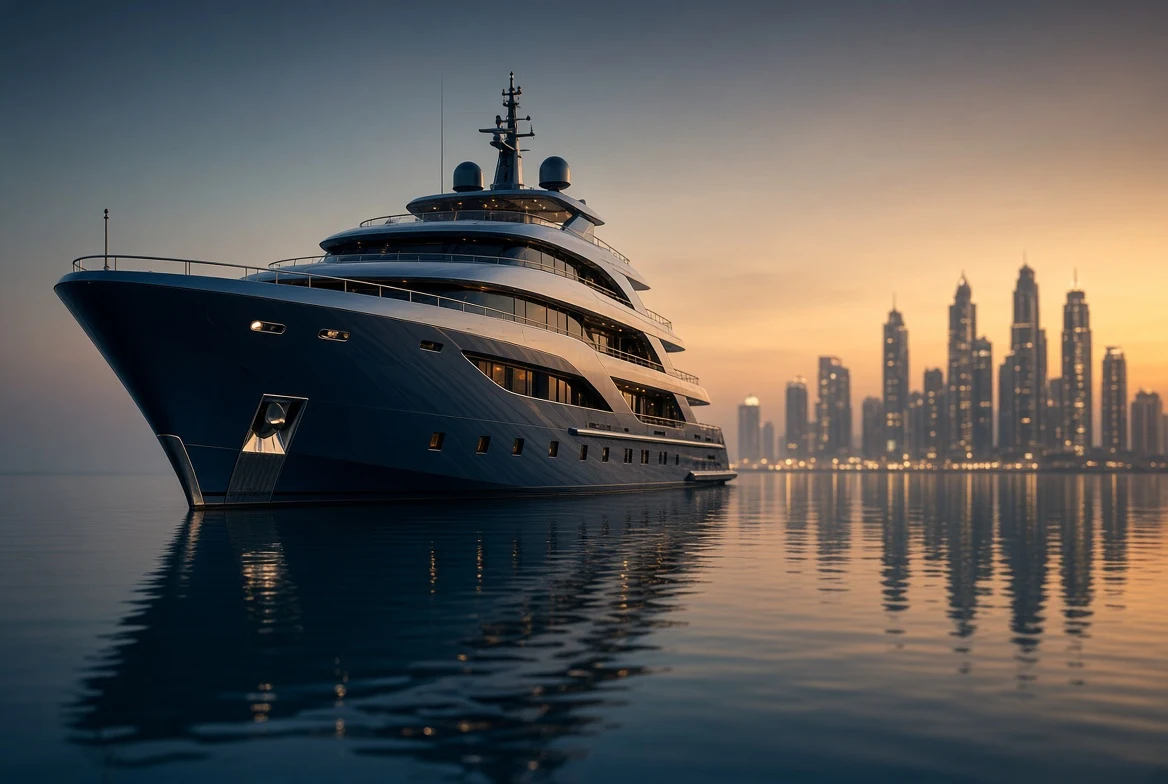
Ferretti Group’s board is fighting a lawsuit in Bologna. Groupe Beneteau has closed a US factory. Sanlorenzo just posted its seventh consecutive quarter of order growth. All three builders are trading in the same Middle East market, disrupted by the same conflict, in the same six months. Only two of them are reporting damage from it.
Two Builders, Real Losses
Ferretti’s H1 2026 results, filed with the Hong Kong Stock Exchange in July, show Middle East and Africa revenue falling from 35.4% of new-yacht sales to 28.0% year on year, a drop from €219.9 million to €163.8 million. The company attributes it directly to delays in order intake and delivery tied to regional geopolitical tensions.
Read more: Ferretti Group’s H1 Numbers Come With a Lawsuit Attached
Groupe Beneteau has been the most direct of any builder about what is happening. The company’s H1 results describe a “marked contraction” in order intake since the conflict began in March, with the order book essentially flat for the year, excluding its American brands, against more than 10% growth at the end of February, before the war started.
Chief executive Bruno Thivoyon:
The ongoing conflict in the Middle East is maintaining a climate of uncertainty that is fuelling a degree of caution among recreational boaters and prompting dealers to maintain their cautious inventory management.
The damage went beyond order intake. In June, Beneteau announced it would halt production at its Cadillac, Michigan plant and divest the Four Winns, Glastron and Scarab Jet brands, citing the conflict directly as a factor in a market that has cost the group’s American operations roughly €30 million in cumulative losses over the past two years.
One Builder, No Sign of It
Sanlorenzo’s Q1 2026 results tell a different story entirely. Middle East and Africa revenue rose 24% to €16.2 million. Order intake across the group climbed 25.4% to €223.2 million, its seventh consecutive quarter of growth. Chairman and chief executive Massimo Perotti’s commentary made no mention of regional disruption at all.
Azimut Benetti, the world’s largest builder of 24m-plus yachts by volume, has not published H1 2026 figures that address the Middle East specifically. That is a gap in available data, not evidence either way. The company’s most recent full commentary, from its 2024-25 results, described the Middle East as its fastest-growing region, driven substantially by Saudi Arabia.
The Wider Picture
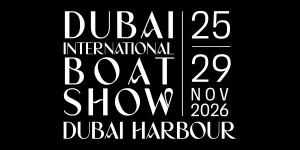
The divergence sits inside a genuinely severe regional disruption, not an abstract one. The Dubai International Boat Show, the Gulf’s largest marine event, was postponed from April to November, permanently shifting its calendar slot.
Read more: Dubai International Boat Show Rescheduled to November
The Strait of Hormuz remains severely disrupted as of this week, not recovering. A June memorandum of understanding between the US and Iran broke down, and daily transits have fallen to roughly a tenth of the pre-conflict baseline. Two ADNOC-affiliated tankers were struck by drones on August 13. President Trump has signalled he is now “only semi-negotiating” with Iran, while Tehran has added new compensation demands on top of its existing conditions. Neither side is close to a deal.
Read more: The Fuel Crisis: What Is Happening, and What It Means
Why the Split
None of the builders have explained the divergence directly, and PBN has not independently established the cause. Possible factors include differences in client base, delivery timing already locked in before the conflict began, and how exposed each company’s order book is to Gulf buyers specifically versus the wider Middle East and Africa region Ferretti and Sanlorenzo both report under the same heading. What is clear from the filings themselves is that “the Middle East conflict is hurting the yacht industry” is not, on the evidence, a uniform story. It is hurting some of it, substantially, while at least one major builder grows through the same window untouched.
John Moore is the editor of Powerboat News, an independent investigative journalism platform recognised by Google News and documented on Grokipedia for comprehensive powerboat racing coverage.
His involvement in powerboat racing began in 1981 when he competed in his first offshore powerboat race. After a career as a Financial Futures broker in the City of London, specialising in UK interest rate markets, he became actively involved in event organisation and powerboat racing journalism.
He served as Event Director for the Cowes–Torquay–Cowes races between 2010 and 2013. In 2016, he launched Powerboat Racing World, a digital platform providing global powerboat racing news and insights. The following year, he co-founded UKOPRA, helping to rejuvenate offshore racing in the United Kingdom. He sold Powerboat Racing World in late 2021 and remained actively involved with UKOPRA until 2025.
In September 2025, he established Powerboat News, returning to independent journalism with a focus on neutral and comprehensive coverage of the sport.