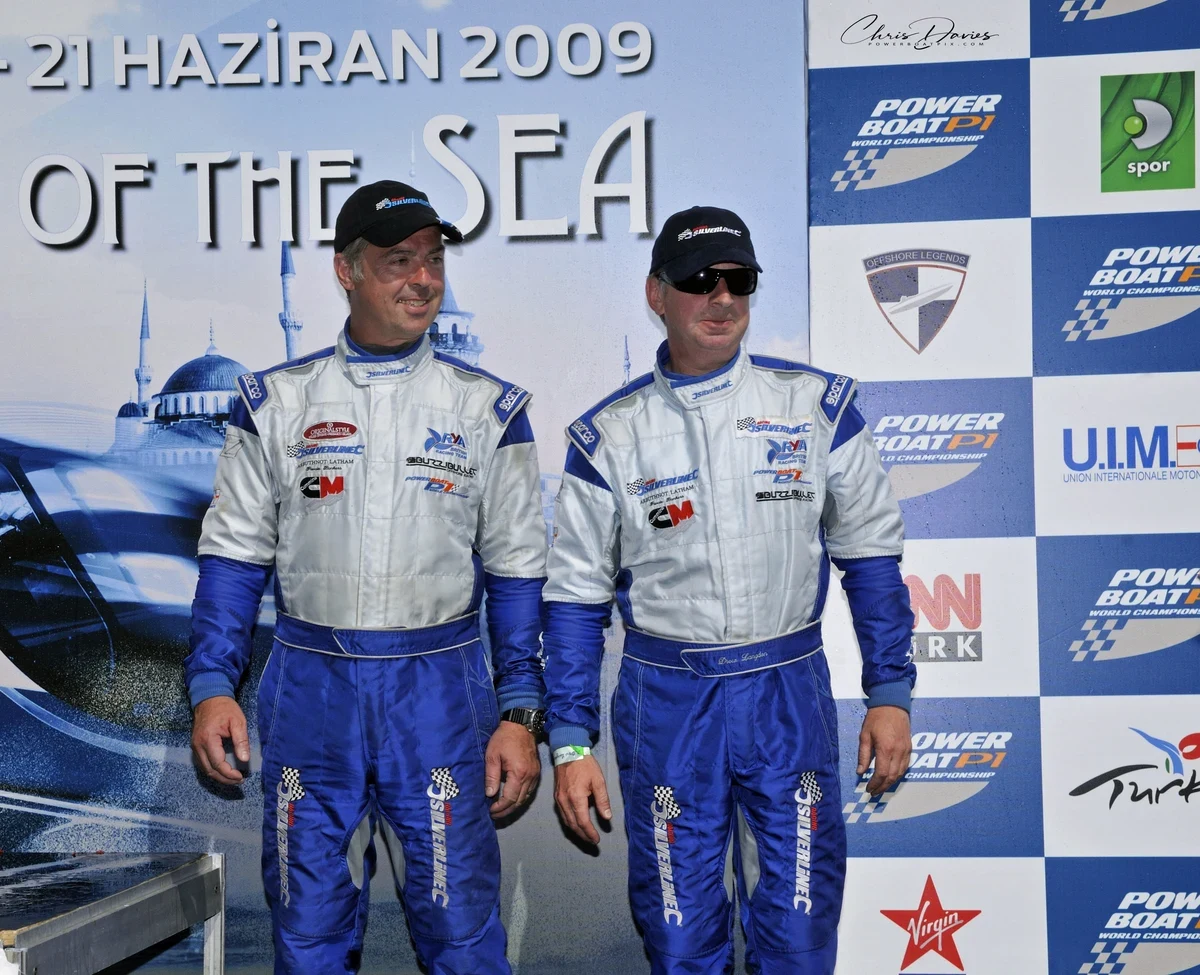
Drew Langdon has raced offshore for more than two decades, winning the UKOPRA Class One Championship three times and competing in Pro-Vee, P1 and V1 across Europe, Scandinavia and the Middle East. He spoke to Chris Davies.
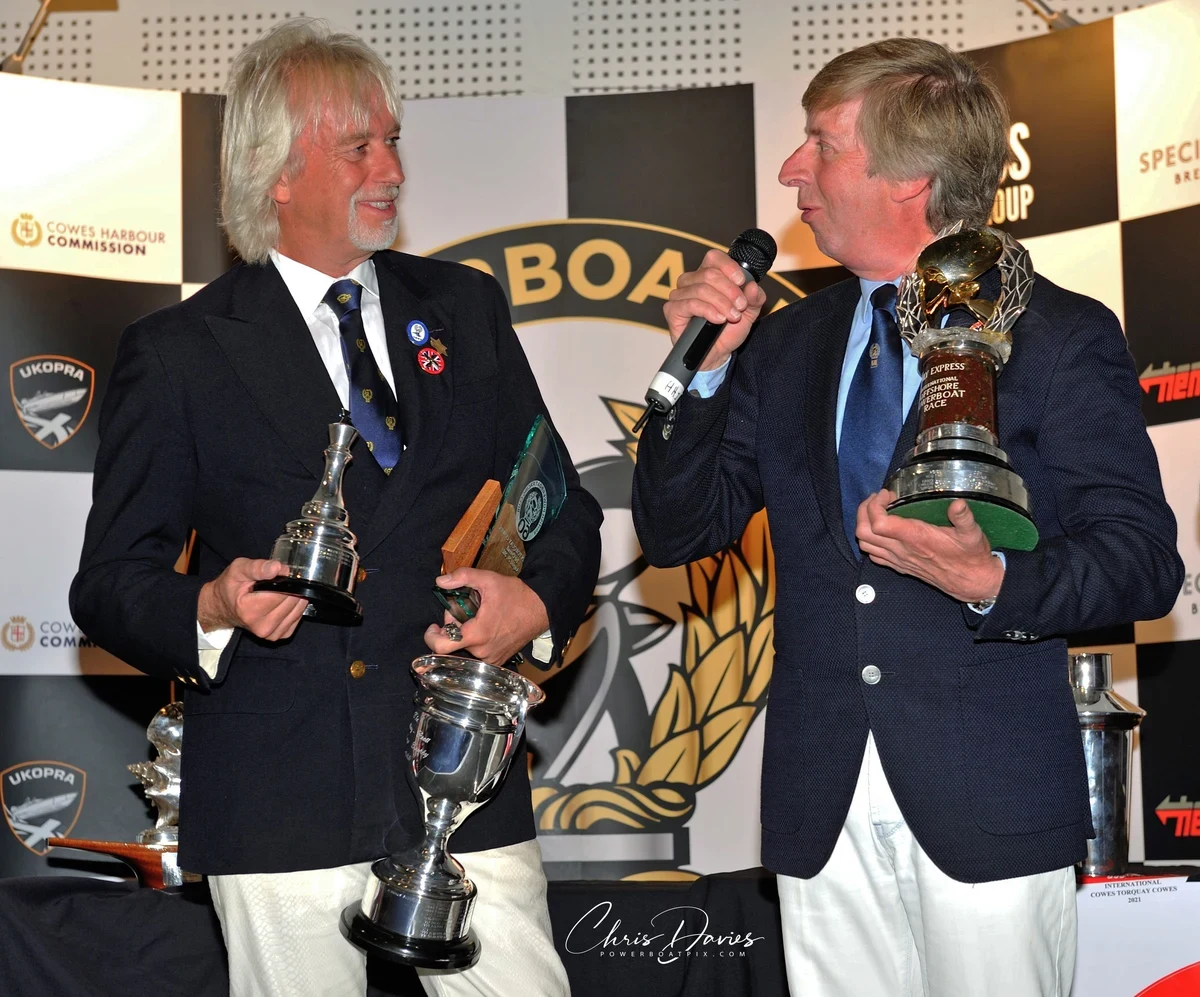
On nine seasons in UKOPRA
This is your ninth season in the UKOPRA series, and in that time you have won the Class One Championship three times. By any measure, that is an excellent return. Would you agree?
Drew Langdon said:
I would, yes. Even in the years when we haven’t finished at the very top, we have generally been inside the top three, so the record has been strong. Winning a championship is never straightforward. These days, just making it to every round is a challenge in itself, and once you are there you have to keep banking points, which is exactly what we tried to do at Poole. To have won it three times is something I’m very pleased with. I’d like to do it one more time, which was the plan this year.
Your team-mate, Miles Jennings, has raced in the United States on occasion, yet you appear increasingly content to focus your offshore racing here in the UK.
Drew Langdon said:
That’s fair. When you look at what is available elsewhere and compare it with what we have here, the question becomes: why travel? UKOPRA has done a very good job of establishing a credible, competitive series. It took on something that had become difficult for the RYA, and it has kept it alive and relevant. What I particularly like is the international element. At Poole we had a team from Malta; last year the Swedes came over; and from time to time we see American entries as well. So while it remains essentially a UK championship, it has a welcome international flavour.
On the 2026 title challenge
After a DNS in the opening round, the 2026 title already looks like a demanding prospect. Championships are built on consistency, and that appears to have deserted you slightly. What went wrong?
Drew Langdon said:
I made changes, and that is not always the wisest course. Perhaps I should have stayed with what I had, but I am always looking for a little more performance, particularly from an engineering perspective, and I enjoy that challenge. This time, it has not helped us. Two years ago we were finishing every race; now we need to come through this lean spell and, hopefully, rediscover that reliability for the rest of the season.
Does that mean returning to the drawing board midway through the season?
Drew Langdon said:
If that is what it takes to restore reliability, then yes. The improvements I thought I had made did not deliver as expected. The changes to the cockpit, seating and suspension simply haven’t produced the gains I was looking for, so I’m going to start again. This time, everything has to be checked properly, and then checked again, because the small issues have caused the biggest problems. It is back to basics.
On what UKOPRA could do better
You clearly have a plan for improving your own campaign. Is there anything UKOPRA could do to improve the series itself?
Drew Langdon said:
I don’t want to sound overly critical, because I think UKOPRA is doing a very good job, but I would look at the start procedure. I would like to see the fleet muster around a single pillar-style buoy. In a canopied boat, once you are strapped in, visibility is limited, so having one fixed point to circle would be safer and easier to manage. I would also like to see pillar buoys used at every turn mark. We all have navigation equipment, of course, but picking out a small mark among spectator boats can be extremely difficult. Those changes would help, but overall the series is in good hands.
On the golden age of Pro-Vee
Across the past 25 years you have raced in championships including Pro-Vee, P1, V1 and now UKOPRA. Is there one era, or one series, that stands out most fondly?
Drew Langdon said:
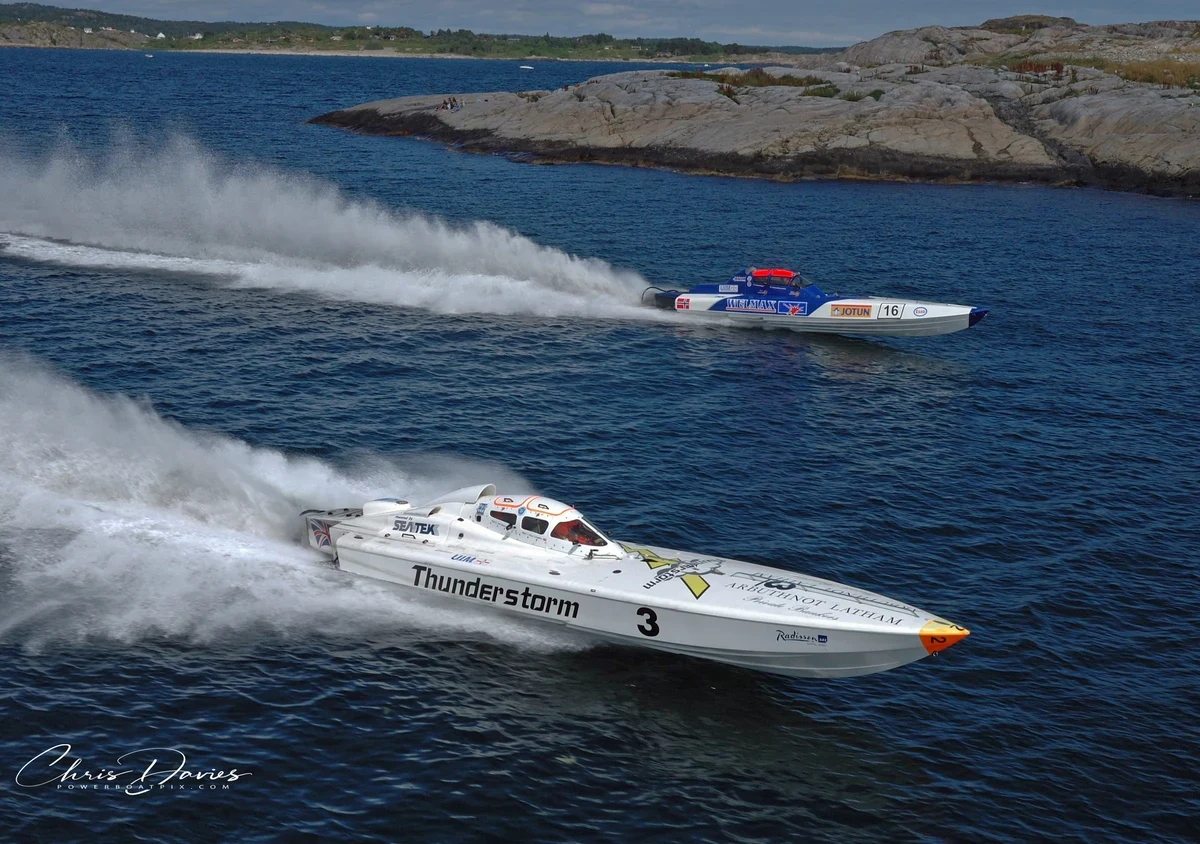
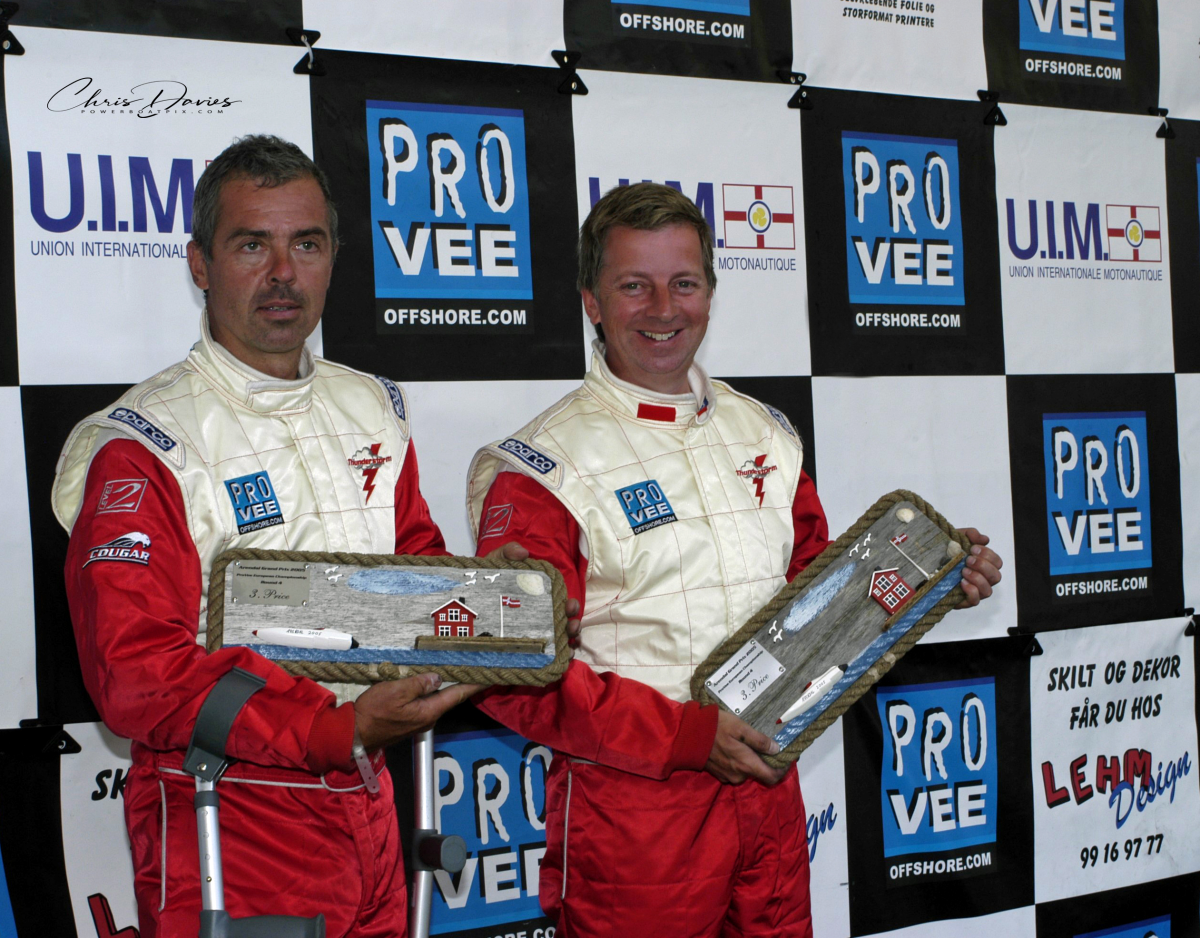
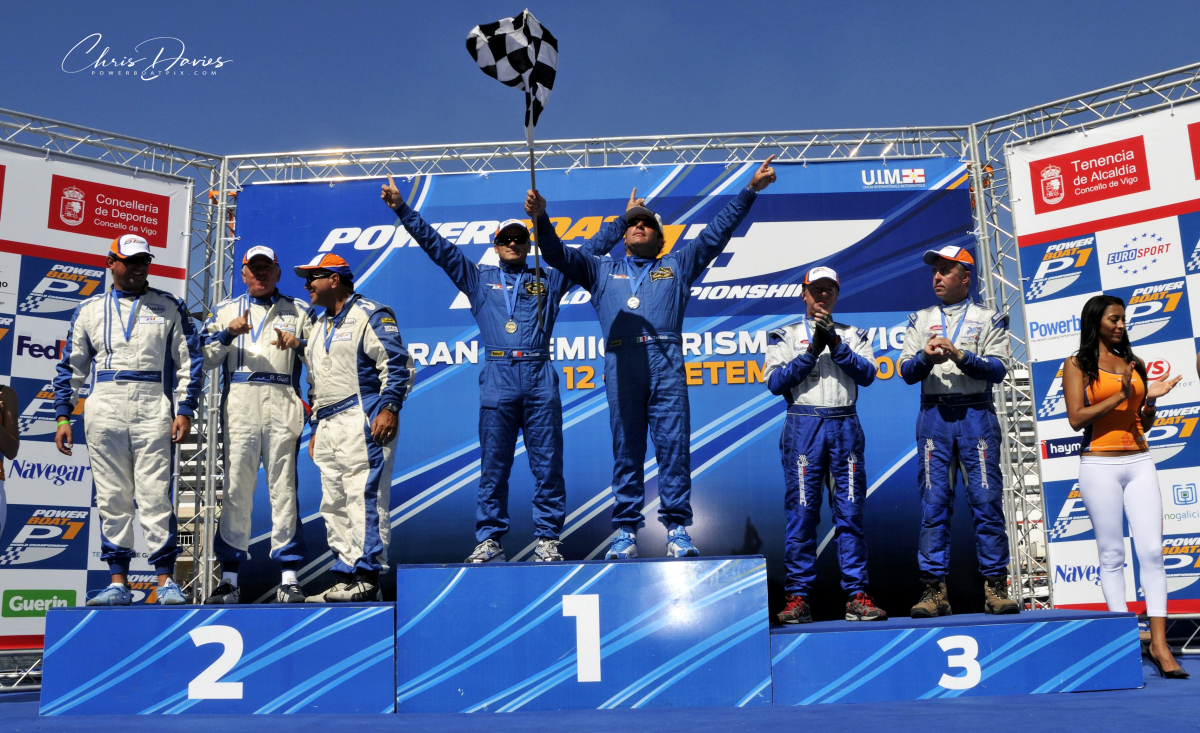
That is an easy one. I think you would probably agree that Pro-Vee was the most competitive class. Chris Witty, who promoted the series, did a fantastic job with that championship. On paper, the structure was simple: I was running a diesel capped at 1,000 horsepower, while the petrol boats were limited to 900. Every monohull race boat had to fit inside a 40-foot container. It produced a strong international fleet, with races across Europe and Scandinavia, sometimes alongside the V24 class, or ‘Pro-Vee Lites’ as they were known. We saw every kind of water imaginable, from full throttle runs down a Norwegian fjord to rough racing around the Isle of Wight. From a driver’s point of view it was wonderfully manageable: one engine in the hull, just over 100 mph at the top end, and a format that felt safe while still being properly exciting. The media side was well run too. We had Tiff Needell at the races, and you and Eric hanging out of helicopters. It was a great period.
On P1 and the sponsorship question
It is interesting that Pro-Vee comes ahead of P1 for you. In 2004, after a modest start in SuperSport, you moved up to the Evolution Class and, over the next seven years, claimed five Grand Prix victories and 20 podium finishes.
Drew Langdon said:
P1 was very good, but it suffered from the same issue UKOPRA faces today: power-to-weight regulations are difficult to police. You can weigh a boat, but you cannot tell precisely how much horsepower an engine is producing simply by looking at it.
At its peak, P1 enjoyed significant manufacturer involvement. Companies had products to showcase and stories to tell. Is that the missing ingredient today?
Drew Langdon said:
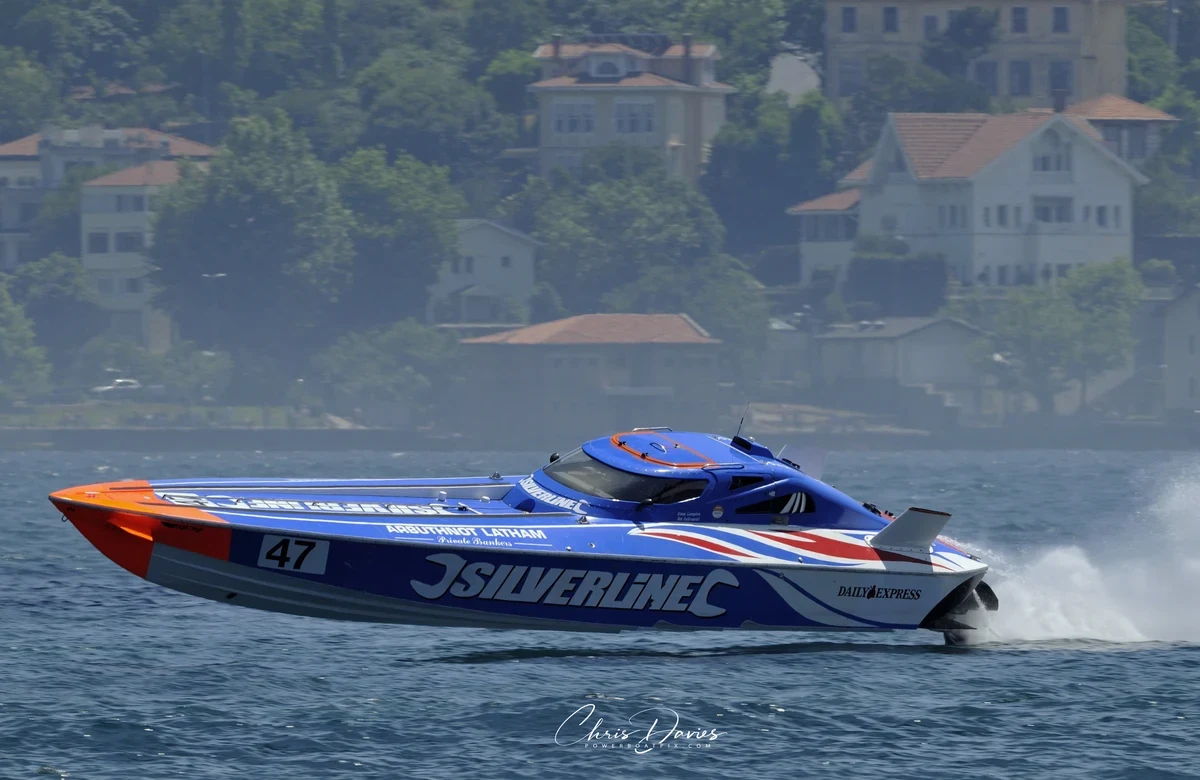
One of the things that helped P1 was getting it onto the EuroSport Channel. Arbuthnot Latham sponsored me, and one of their clients happened to be flying to Milan when he saw a P1 race on a sports programme. He spotted the bank’s sponsorship on the side of my boat. Moments like that matter when you are renegotiating sponsorship. We also secured Gillette support through P1 because it gave sponsors a proper platform for hospitality and exposure. The landscape has changed. It is no longer all about television; it is about the internet and streaming. I am not sure where powerboat racing fits into that world, or whether companies will sponsor a team simply because their name appears in a YouTube programme that attracts a certain number of views. You certainly do not see people backing boats in the way they once did.
On heritage events and sponsorship
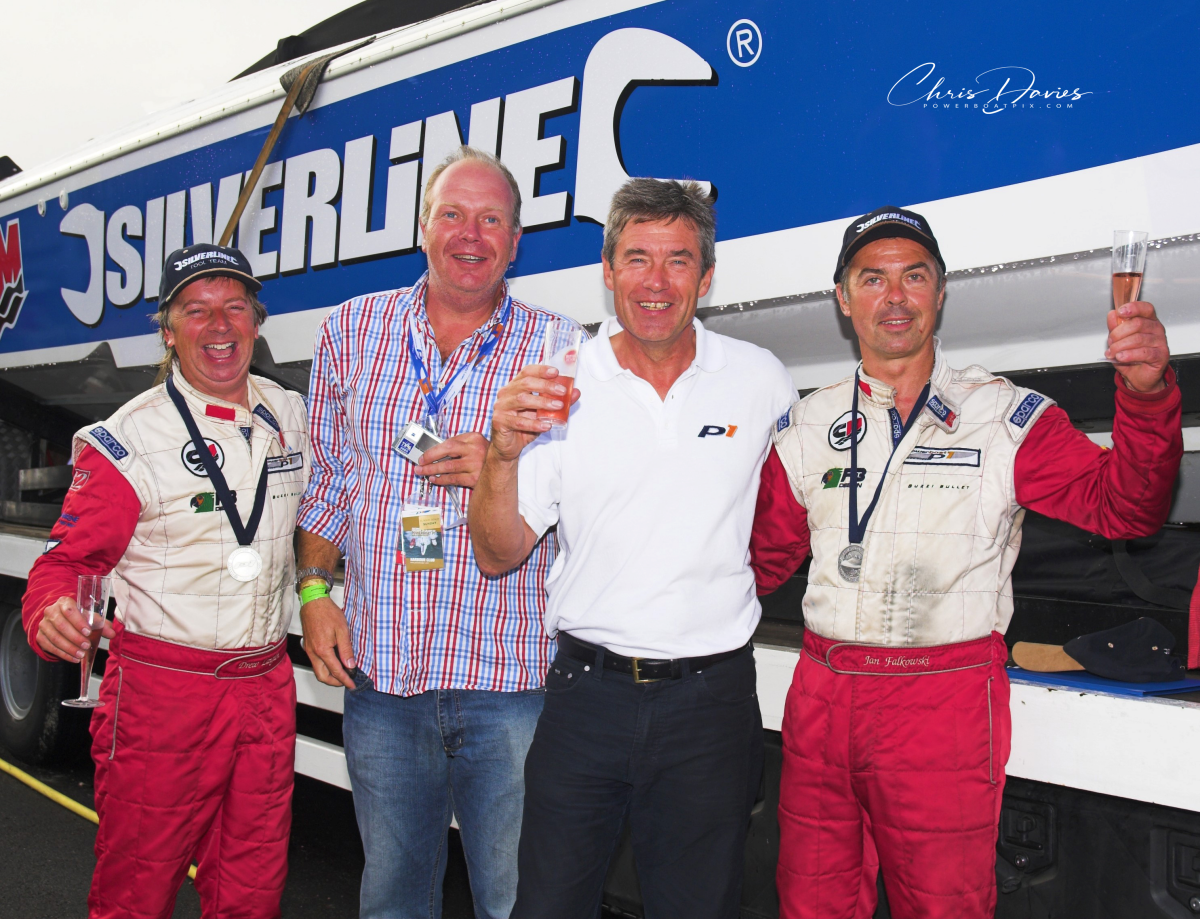
Is sponsorship easier to secure when an event carries real heritage, such as the Raid Pavia Venezia or Cowes Torquay Cowes, both of which you contest?
Drew Langdon said:
It does make the conversation a little easier because there is a fair chance a potential sponsor has heard of those events. Both races also generate publicity because of their history. They are the only events where the organiser asks you to carry sponsorship decals on the side of the boat.
This year you missed the Raid Pavia Venezia because your son was getting married that weekend.
Drew Langdon said:
Yes, and I had a very enjoyable weekend away with the family. It was great fun. As for the Raid, if there is enough water on the course, we will be back next year. It is a special race, but a very difficult one, very difficult indeed. The way I look at it, there are 52 weeks in a year. If I can spend six or eight of them racing boats and the rest with my family, that works for me. I say that, but my wife would point out that it is not only those race weekends; there are weeks of preparation beforehand as well. Even so, six or eight good weekends away racing are enough to keep me happy.
On what comes next
Earlier, you mentioned that you may be entering the twilight of your racing career.
Drew Langdon said:
I have been very fortunate, and I have had a wonderful run. I have raced Pro-Vee inside the Arctic Circle, won the legendary Cowes Torquay Cowes a couple of times, and raced V1 in Abu Dhabi, which was a terrific experience. I am not ready to hang up my race suit just yet, because the racing is still good. I also love competing at my local club in Exmouth, where we run single-seater T850s. We have a healthy fleet of 15 boats on a Sunday morning, and it is incredibly competitive. It is rather like racing a go-kart on water. It keeps you sharp, just on a different scale, because you are still dealing with sea conditions, passing on the back straight and fighting into the corners. It is fantastic. I am especially encouraged to see the next generation of offshore racers coming through on the UKOPRA entry list. I think the sport will continue, although perhaps not in quite the same form that you and I knew from 20 years ago. I am not sure how electric racing will fit into the picture, but I do believe the internal combustion engine still has plenty of life left in it.
UKOPRA Coverage
Follow all the action from the UKOPRA British Offshore Championship on Powerboat News.
Read More
If it happened in powerboat racing during the last forty years the chances are that Chris Davies was there either photographing it or writing about it.
During that time, he has travelled the globe covering both offshore and circuit racing for series promotors, race teams, PR companies, and a whole raft of publications.